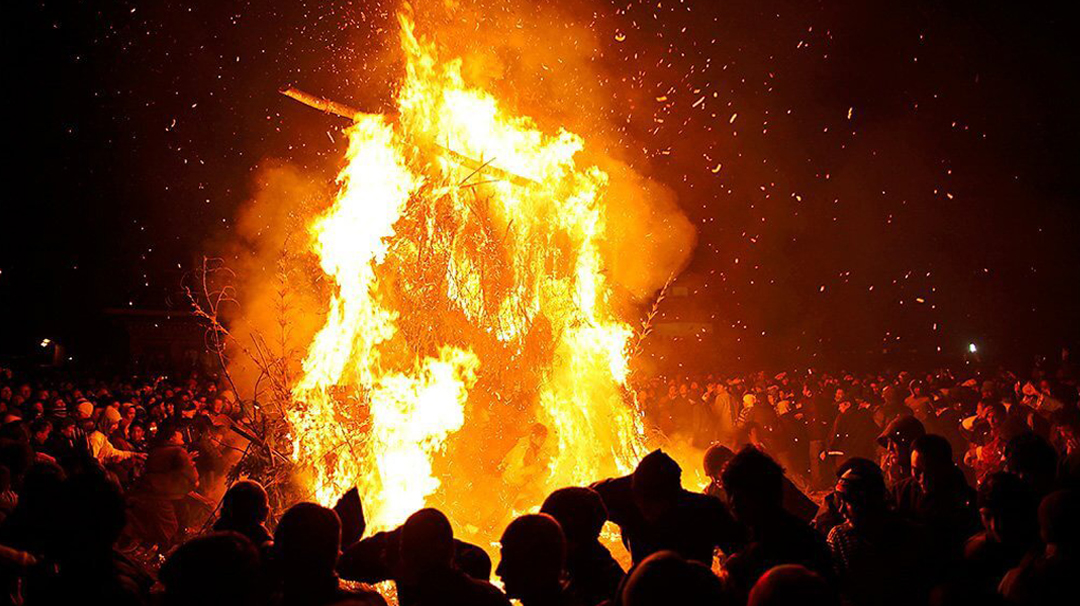
-Experience one of eastern Bhutan’s most unique spiritual festivals held along the banks of the Drangme Chhu.
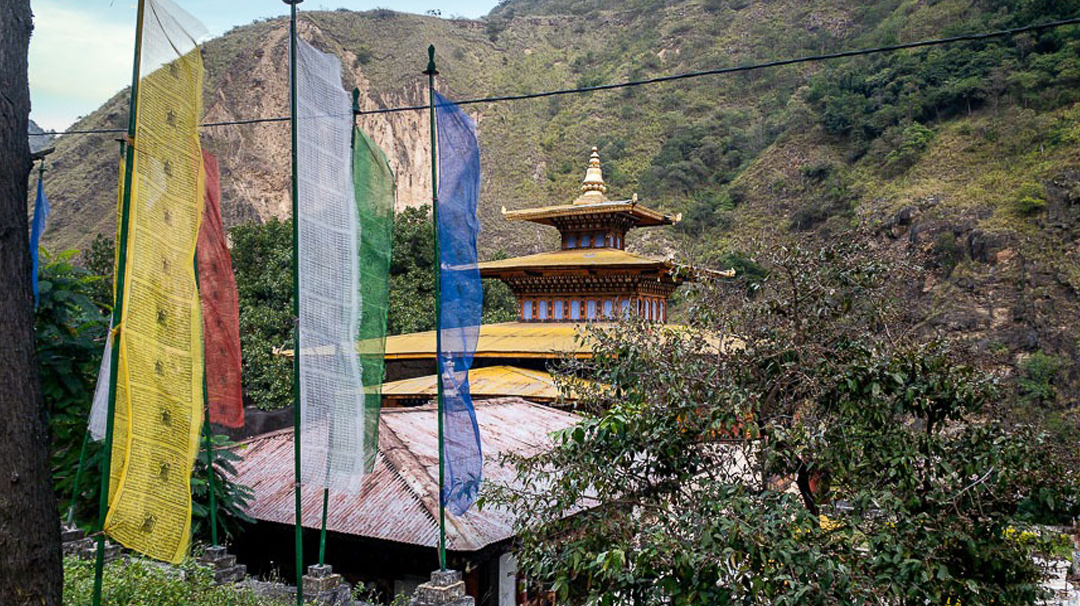
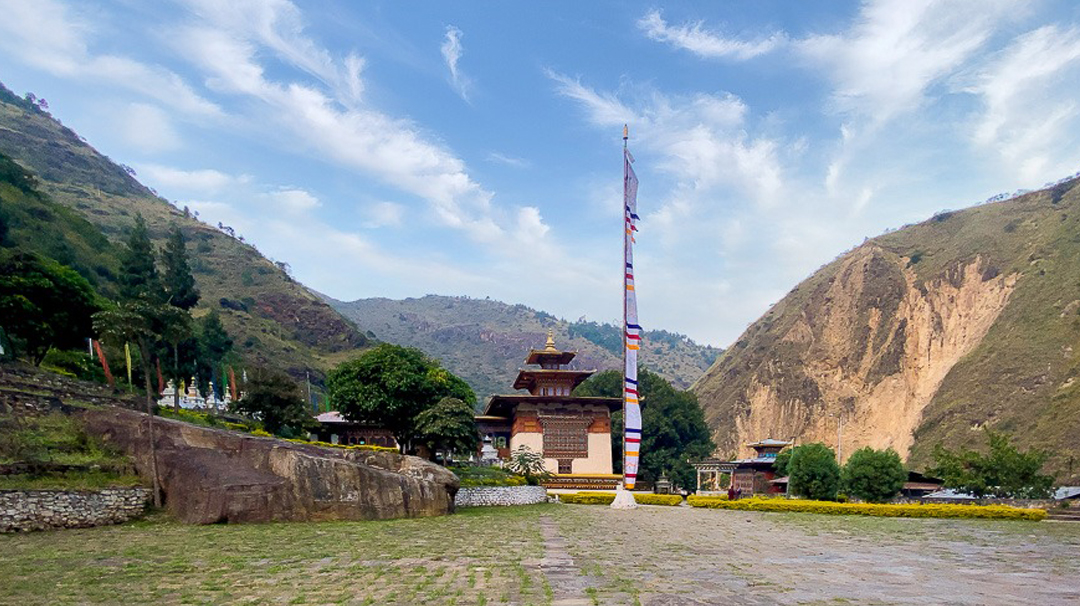
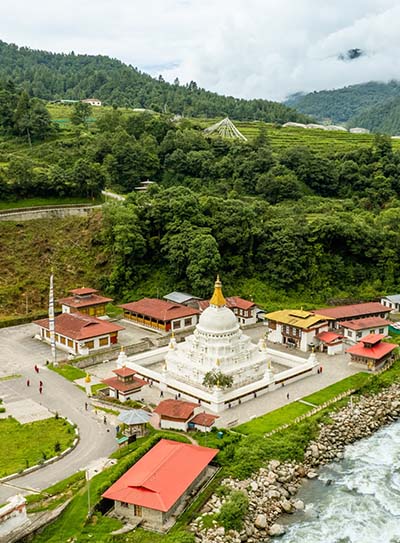
-Visit the sacred Gomphu Kora temple, deeply connected to the legendary story of Guru Padmasambhava’s victory over evil spirits.
-Witness the remarkable three-night pilgrimage where devotees circumambulate the temple in prayer and devotion.
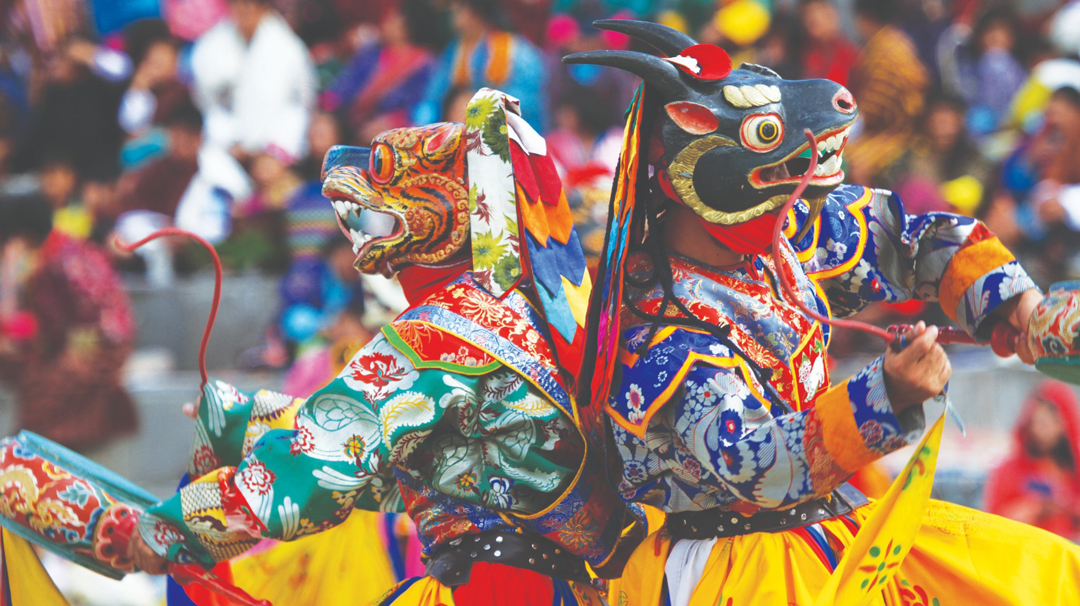
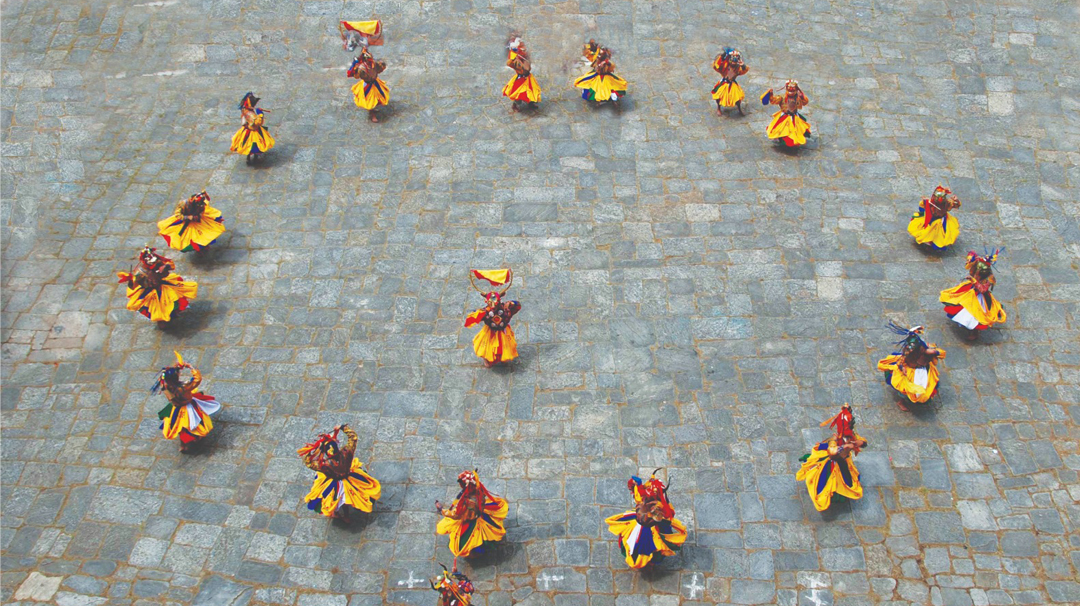
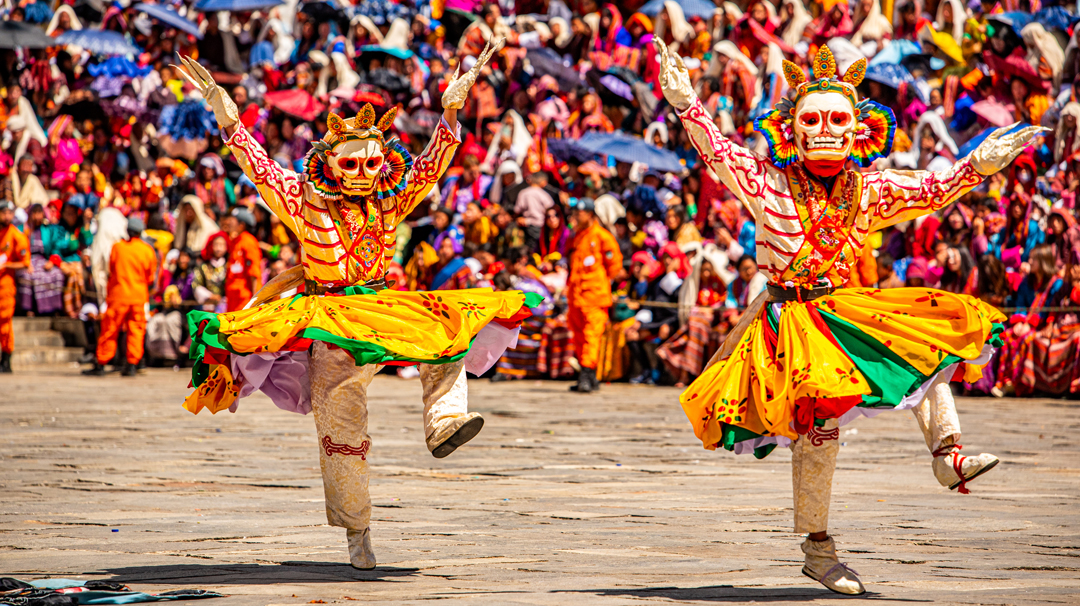
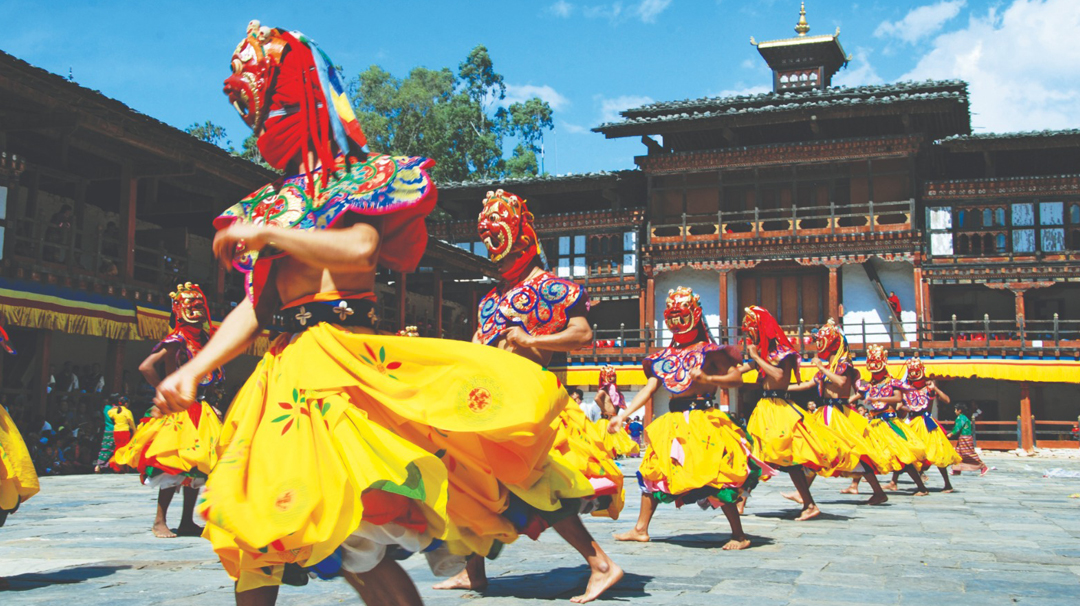
-Enjoy colorful Cham mask dances and lively folk performances celebrating Bhutanese religious and cultural traditions.
-Observe pilgrims visiting sacred sites and participating in rituals associated with blessings and spiritual purification.
-Experience the festival’s warm social atmosphere, where families, friends, and young people gather in celebration and companionship.
-Gain insight into eastern Bhutanese beliefs, folklore, and traditions surrounding the mythical nectar of immortality.
-Explore the scenic beauty and peaceful landscapes of eastern Bhutan transformed into a vibrant cultural gathering place.
-Interact with local communities and witness authentic traditions rarely experienced by outside visitors.
Day 1 — Arrival & transfer to Trashiyangtse
- Morning: Fly into Paro or Guwahati; connect by domestic flight to Yongphula (if available) or begin road transfer east.
- Afternoon: Arrive Trashiyangtse, check into guesthouse/hotel.
- Late afternoon: Short orientation walk in town, visit local market and handicraft shops (woodturning and textile weaving are regional specialties).
- Evening: Early dinner and rest; light evening puja at local lhakhang if available.
Day 2 — Local temples & festival preview
- Early morning: Breakfast; visit Chorten Kora (late afternoon/early evening sacred circumambulation is common, but morning is quieter) — learn its history and significance.
- Mid-morning: Visit Rigsum Goenpa and nearby village temples to see the gompa architecture and local devotional life.
- Lunch: At a local teahouse; try regional dishes (ema datshi variations, buckwheat pancakes).
- Afternoon: Head to the Gomphu Kora festival site to scope seating, offerings stalls and photo/filming rules; buy small offerings (butter lamps, incense, fruit) if you plan to participate.
- Evening: Join any evening pujas; talk with local lamas/monks for context on next day’s cham dances.
Day 3 — Main Gomphu Kora Tshechu day (festival & kora)
- Very early: Arrive before dawn at the Gomphu Kora site to secure a good spot; bring a small cushion.
- Morning: Participate/observe the kora (circumambulation) route around the sacred cave/temple — join pilgrims and listen to ritual recitations.
- Mid-morning: Watch opening rites and the first cham (masked) dance sequences.
- Lunch: Simple packed lunch or local food stall near the festival ground.
- Afternoon: Continue watching cham dances and blessing rituals; mid-to-late afternoon often includes highlight cham(s) and interactive blessing opportunities.
- Late afternoon/dusk: If a Thongdrel (large religious applique) is scheduled, stay for the unveiling; otherwise, attend closing prayers.
- Evening: Return to accommodation; optional informal cultural exchange with locals or monastery hosts.
Day 4 — Nearby sights & departure
- Morning: Visit nearby attractions depending on time — more detailed visit to Chorten Kora, local weaving centers (Tashigang/Trashiyangtse weaving workshops), or short rural walk to view Kholongchhu valley.
- Midday: Lunch, final souvenir shopping.
- Afternoon: Transfer to Yonphula airstrip or start road journey back to Paro/Thimphu or onward to Trashigang/Indian border/Guwhati as per your travel plan.
Notes
Access: Closest practical entry is via Paro (international), then a domestic flight to Yongphula or by road from Guwahati (India) / from central Bhutan. Road travel from Trashigang takes 1–3 hours, depending on the route. Allow extra travel time for mountain roads.
Festival schedule varies by lunar calendar; confirm exact days locally.